October 27, 2026
Kitchen design involves balancing appearance, functionality, and the needs of everyone who uses the space. Storage plays a major role in that balance, influencing how easily cookware, food, and everyday essentials can be accessed. Choosing the right cabinetry can also change the atmosphere of a kitchen, whether the goal is a warm traditional interior or a clean, contemporary look. Understanding cabinet materials, construction, finishes, storage options, and installation considerations helps homeowners make informed decisions and create a kitchen that supports daily routines while complementing the rest of the home. Careful planning also helps homeowners avoid unnecessary expenses, improve organization, and choose cabinetry that remains practical as household needs and design preferences evolve.
Understand the Role of Kitchen Cabinetry
Cabinetry provides essential storage while establishing much of a kitchen's visual character. Upper cabinets can keep dishes and frequently used items accessible, while lower cabinets accommodate cookware, cleaning supplies, and larger kitchen essentials. Thoughtful placement helps reduce clutter and makes meal preparation more convenient.
According to the 2026 U.S. Houzz Kitchen Trends Study, 84% of homeowners undertaking kitchen renovations chose to upgrade their kitchen cabinets. This reflects the importance many homeowners place on cabinetry when improving the appearance and functionality of their kitchens. Updated storage can help address changing household needs while giving the room a more cohesive design.
Before choosing a style, homeowners should consider how the kitchen is used. Someone who cooks regularly may prioritize accessible cookware storage, while a household that entertains frequently might need additional space for serving dishes and glassware. Identifying these priorities helps guide decisions about cabinet layouts, sizes, and interior features.
Compare Cabinet Materials and Construction
Cabinet materials influence appearance, durability, maintenance, and overall cost. Solid wood remains a popular option because of its natural grain and ability to complement different interior styles. Wood species vary in color, texture, and grain patterns, offering flexibility for homeowners who want cabinetry with distinctive character.
Other options include plywood, medium-density fiberboard, and particleboard, which may be used in cabinet boxes, doors, or decorative panels. Each material has different characteristics, and performance depends partly on construction quality, finishes, and exposure to moisture. Comparing the specifications can help homeowners understand what a particular cabinet system offers.
Construction deserves attention alongside material selection. Strong joints, reliable hinges, stable shelves, and properly fitted drawer slides contribute to everyday usability. Well-constructed kitchen cabinets should open smoothly, support their intended contents, and remain functional with regular use. Asking about cabinet assembly and hardware can help clarify differences between available options.
Select a Style That Complements the Home
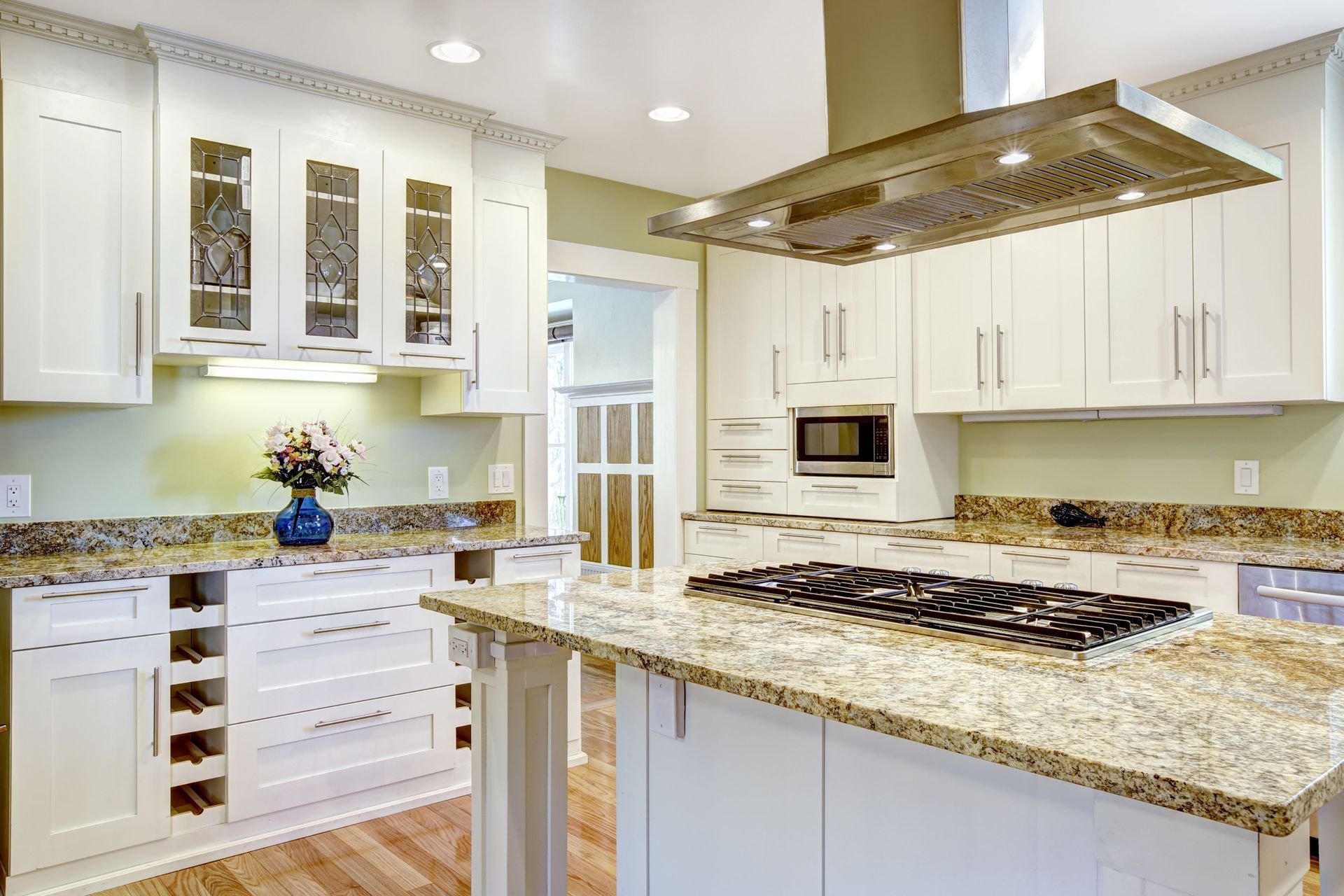
Cabinet style influences whether a kitchen feels traditional, contemporary, rustic, or transitional. Shaker-style doors feature a simple framed design that works across many interiors, while flat-panel doors create a streamlined appearance suited to modern spaces. Raised-panel designs offer additional detail for homeowners who prefer a more traditional aesthetic.
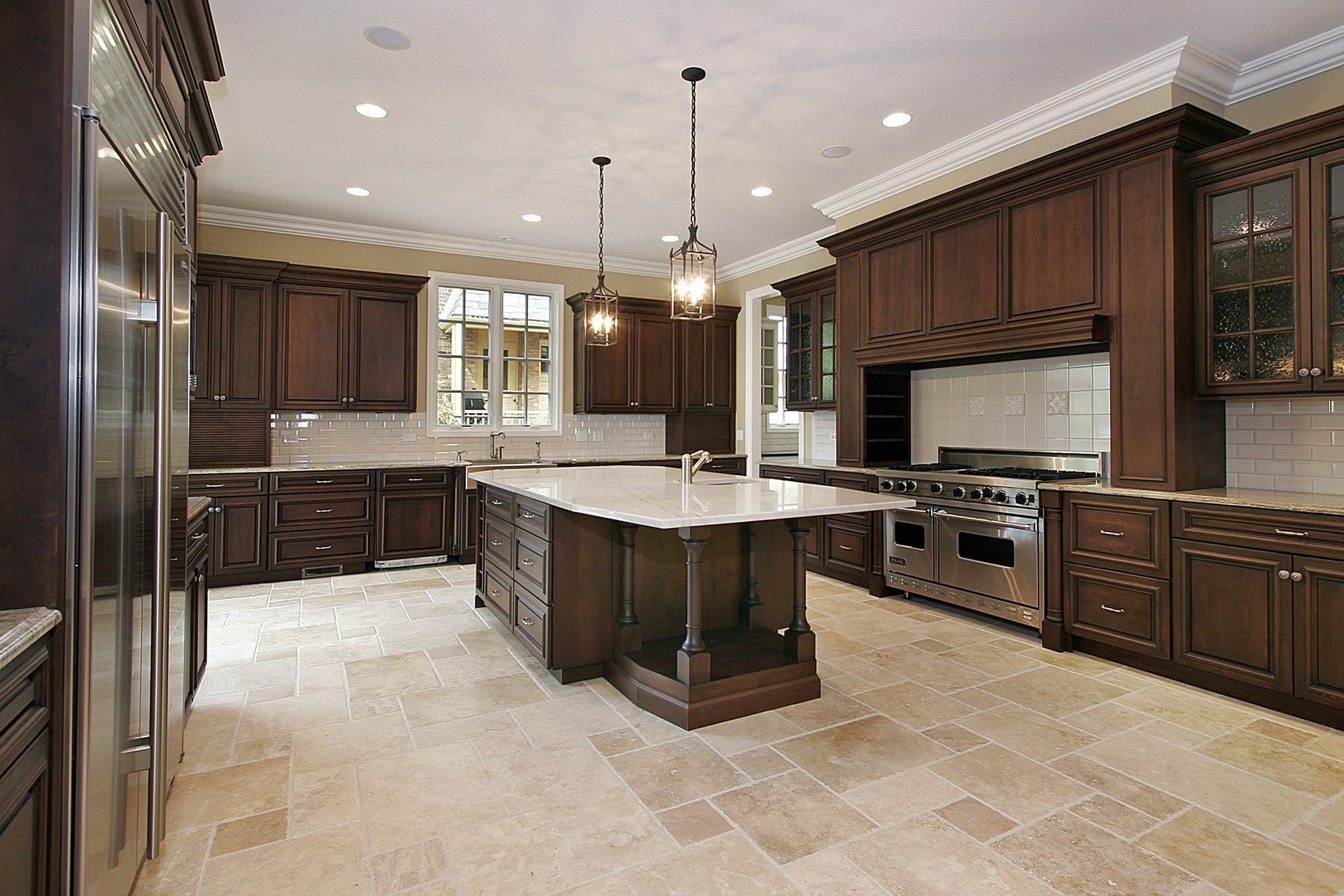
Color also plays an important role in the finished design. White and other light shades can make a room feel bright, while darker colors may introduce contrast and depth. Natural wood finishes highlight grain patterns and can create warmth, particularly when paired with complementary flooring, countertops, and hardware.
Consistency helps bring the overall design together. Cabinet finishes should coordinate with nearby surfaces without requiring every element to match exactly. Contrasting upper and lower cabinets can introduce visual interest, while coordinated finishes may create a quieter appearance. Viewing samples in the kitchen's actual lighting can help homeowners assess colors before making a final decision.
Maximize Storage and Organization
Effective storage begins with understanding what needs to fit inside the cabinets. Pots, pans, food containers, small appliances, and pantry goods each have different space requirements. Planning around these items helps prevent crowded shelves and makes frequently used supplies easier to reach.
Interior accessories can improve how available space is used. Pullout shelves provide access to items stored toward the back of a cabinet, while drawer dividers help organize utensils and cooking tools. Deep drawers can accommodate cookware, and dedicated organizers may keep lids, baking sheets, or spices arranged neatly.
Corner cabinets can require special consideration because their shape may make some areas difficult to access. Depending on the layout, rotating shelves, pullout systems, or carefully planned storage configurations can make these spaces more practical. The best solution depends on cabinet dimensions, household routines, and the items that need to be stored.
Organization should also account for accessibility. Frequently used dishes and cooking essentials are often most convenient near preparation areas, while less frequently needed items can occupy higher shelves or less accessible locations. A thoughtful arrangement reduces unnecessary movement and helps maintain an orderly workspace.
Choose Finishes and Hardware Carefully
Cabinet finishes affect both appearance and maintenance. Painted surfaces offer a broad range of color choices, while stained finishes allow natural wood grain to remain visible. Laminate and other manufactured finishes can provide additional design options, depending on the cabinet construction and intended application.
Different finishes require different care. Grease, fingerprints, moisture, and cooking residue can accumulate around handles and preparation areas. Cleaning recommendations vary by material, so homeowners should follow the manufacturer's guidance and avoid harsh products that could damage the surface. Promptly wiping spills can help maintain the cabinetry's appearance.
Hardware provides another opportunity to personalize the kitchen. Knobs and pulls are available in various shapes, finishes, and sizes, from understated designs to decorative accents. The chosen hardware should complement the cabinet style while remaining comfortable to grip and convenient to operate.
Function matters as much as appearance when selecting hinges and drawer mechanisms. Soft-close features can reduce slamming, while quality slides support smoother drawer movement. Coordinating hardware finishes with faucets, lighting, and other fixtures can create a cohesive appearance without making the design feel overly uniform.
Plan the Budget and Installation
Establishing a realistic budget helps homeowners compare cabinet options according to their priorities. Overall costs can depend on materials, construction, door styles, finishes, hardware, storage accessories, and installation requirements. Custom designs may provide greater flexibility, while stock and semi-custom options can offer alternatives for different project needs.
Accurate measurements are essential before ordering cabinetry. Wall dimensions, ceiling height, appliance locations, plumbing, and electrical connections all affect the layout. An installation plan should account for clearances around doors and drawers, adequate workspace, and convenient access to essential appliances.
Homeowners should also consider whether existing cabinets can be refinished, repaired, or reorganized instead of completely replaced. If the current layout functions well, updating the finish or hardware may provide a noticeable change without the scope of a full renovation. However, damaged cabinet boxes, inadequate storage, or an inefficient arrangement may justify a more extensive project.
Professional planning and installation can help address alignment, secure mounting, and fit around walls and appliances. Before work begins, homeowners should review the proposed layout, materials, finish selections, and project estimate. Clear communication about expectations helps reduce misunderstandings and supports a smoother renovation process.
Kitchen cabinetry is an investment in how a home looks and functions. By evaluating construction, choosing complementary styles, prioritizing useful storage, and planning installation carefully, homeowners can create a space that meets their needs without overlooking design details. For guidance on selecting cabinetry that suits the home and daily routine, contact Chatt Cabinets to discuss available options and take the next step toward a more functional, attractive kitchen.